
The Problem with Today’s Centralized Energy Systems
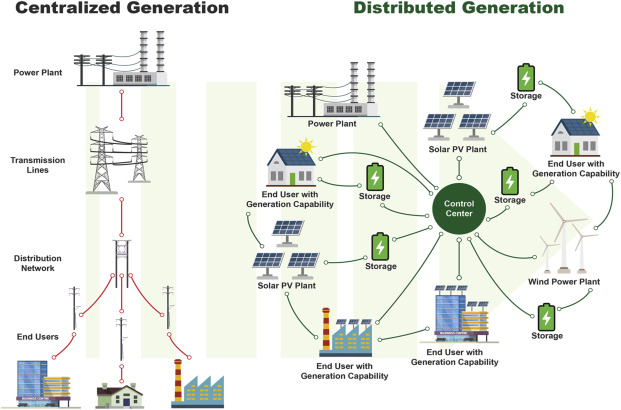
For more than a century, most of the world’s electricity has been produced through centralized power systems, where large power plants generate electricity that is then transported across long distances to cities and consumers. While this model formed the foundation of modern traditional electricity grids, it is increasingly facing significant energy infrastructure challenges as demand continues to grow. Rapid urbanization, increasing energy usage, electrification of transportation, and the expansion of digital infrastructure are placing unprecedented pressure on existing grid systems. In centralized models, electricity must travel hundreds or even thousands of kilometers before reaching the point of use, requiring extensive transmission infrastructure and increasing system complexity. As cities expand and energy consumption rises, this structure can also struggle to keep up with fluctuating demand, thereby increasing maintenance needs and resilience requirements. These limitations are prompting
governments and energy innovators to reconsider whether centralized generation alone can support the evolving needs of modern energy systems.
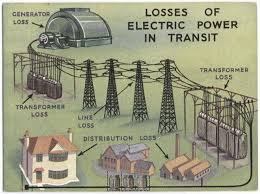
Grid Stress and Transmission Loss
One of the lesser discussed challenges of traditional power systems is the inefficiency of long distance power transmission. In centralized electricity networks, power must travel across extensive transmission and distribution lines before reaching the end user. During this process, a portion of the electricity is inevitably lost as heat due to resistance in power lines (symbol being Ohm, hence Holm Energy), commonly referred to as transmission losses in electricity. Despite modern grid technologies having improved efficiency, these losses remain an inherent limitation of large-scale centralized systems. In addition to energy losses, maintaining vast transmission networks requires significant, continuous investment in infrastructure, including substations, high-voltage lines, manpower, and grid monitoring systems, increasing both operational costs and management complexity.
The world currently is also experiencing significant grid stress as existing infrastructure struggles to keep pace with rising demand. The widespread adoption of EV charging, expansion of digital infrastructure, and increasing reliance on electricity for heating and cooling are all contributing to substantial electricity demand growth. In addition,
climate-driven demand spikes, such as surges in air conditioning use during heatwaves, also place sudden pressure on already strained power systems. These factors make maintaining power grid reliability increasingly complex for utilities and grid operators. Aging infrastructure and the integration of intermittent renewable sources further add to operational challenges.
As energy demand grows and power systems expand, these factors contribute to broader grid inefficiency, highlighting the need to rethink how and where electricity is generated, and how it is being distributed and consumed in modern energy networks.
What Is Decentralized Energy Generation?
Decentralized energy generation refers to the production of electricity closer to where it is consumed, rather than relying entirely on large, distant power plants. In decentralized energy systems, power is generated through smaller, distributed sources that operate at or near the point of use. This model forms the foundation of distributed energy generation, where multiple local energy sources collectively contribute to the broader power network. Examples include rooftop solar installations, small wind turbines, community energy projects, and other forms of local energy generation integrated within cities and communities, such as Holm Energy’s Smart Energy Tiles or Hybrid Vertical Axis Wind Turbines. By distributing energy production across many smaller sites instead of concentrating it in a few large facilities, decentralized systems can improve flexibility and resilience within the energy network. As technology advances and cities seek more sustainable infrastructure, distributed energy models are increasingly being explored as a way to complement traditional power systems while enabling more localized and adaptive approaches to electricity generation.
The Rise of Microgrids
One of the most important developments within decentralized energy systems is the growing adoption of microgrids. A microgrid is a localized energy network that can generate, distribute, and manage electricity within a defined area such as a campus, neighborhood, industrial facility, or community. Unlike traditional power systems that depend entirely on the central grid, microgrids integrate local generation sources, such as solar, wind, smart energy tiles, or other distributed technologies, along with control systems that balance supply and demand within the network. Many modern smart microgrids are designed with advanced monitoring and automation capabilities, allowing them to operate efficiently while coordinating with the main grid when needed. In some cases, microgrids can also operate independently during outages or disruptions, helping maintain electricity supply within their local area. Because of this ability to maintain power during disturbances, microgrids are increasingly viewed as a key component of resilient energy systems, particularly in regions seeking to improve energy security and reliability.
Why Energy Storage Is Critical to Decentralized Energy
As decentralized energy systems continue to grow, the role of energy storage systems becomes increasingly important in ensuring reliable and consistent power supply. Unlike traditional centralized plants that generate electricity continuously, many distributed energy sources produce power intermittently depending on local conditions and usage patterns.
Battery storage for renewable energy helps address this challenge by storing excess electricity when generation is high and releasing it when demand increases. This ability to store and dispatch energy allows decentralized systems to better balance supply and demand within local networks. In addition, advanced grid-scale batteries and localized storage technologies can help stabilize local grids, reducing sudden fluctuations in electricity availability. By providing flexibility and buffering capacity within distributed networks, energy storage plays a critical role in enabling decentralized energy infrastructure to operate efficiently while supporting a more resilient and adaptable electricity system.
New Technologies Powering Decentralized Energy
The shift toward decentralized systems is being accelerated by a new generation of decentralized renewable technologies that allow electricity to be produced directly within cities and communities. Over the past decade, technologies such as rooftop solar installations and small wind turbines have made it possible for buildings and local infrastructure to participate in distributed renewable generation rather than relying entirely on distant power plants. At the same time, emerging innovations are expanding the possibilities of urban renewable energy, including technologies that capture energy from everyday environmental conditions such as motion, vibration, and airflow around infrastructure.
Innovations such as Holm Energy’s Smart Energy Tiles or Hybrid Vertical Axis Wind Turbines are aiming to capture this wasted energy of human motion and turn it into green
energy. Together, these advancements are gradually transforming buildings, transportation corridors and hubs, and public spaces into active contributors to local energy systems. As cities continue to evolve, these technologies are expected to play a growing role in enabling more flexible, distributed approaches to electricity generation.
Cities as the Next Energy Producers
As energy technologies evolve, cities themselves are beginning to emerge as important centers of urban energy generation. Instead of functioning solely as consumers of electricity, modern urban environments are increasingly capable of producing power through a range of energy generating infrastructure. The concept of infrastructure energy harvesting is expanding the possibilities of how urban environments generate power, capturing energy from everyday activity and environmental conditions. Within broader smart city energy systems, these distributed technologies can operate together as part of interconnected local energy networks that improve efficiency and resilience. Moreover, such systems serve as a tool for educating and engaging the public on the importance of sustainability in ways that are engaging and empowering, while increasing the feeling of collective responsibility. As cities continue to grow and modernize, this shift toward integrating energy generation into urban infrastructure is expected to play a key role in shaping more sustainable and self-sufficient energy ecosystems, while helping infrastructure turn net-zero.
The Future of Decentralized Energy
As global energy demand continues to grow, the development of future energy systems will likely rely on a more distributed and flexible approach to electricity generation. Instead of depending solely on large centralized facilities, many countries and cities are gradually moving toward a decentralized power grid supported by a combination of local generation, energy storage, and intelligent grid management technologies, improving the ability of power networks to adapt to changing demand and environmental conditions. Over time, interconnected distributed grids are expected to play a larger role in maintaining resilient energy systems, allowing communities, businesses, and infrastructure to contribute to local electricity supply, while increasing individual accountability towards sustainability. By integrating generation technologies directly into buildings, transportation networks, and urban infrastructure, cities can become active participants in the energy ecosystem. As these trends continue to evolve, decentralized models will form a key foundation for sustainable energy infrastructure in the decades ahead.
Thanks for reading :)