

Cities Are Constantly in Motion
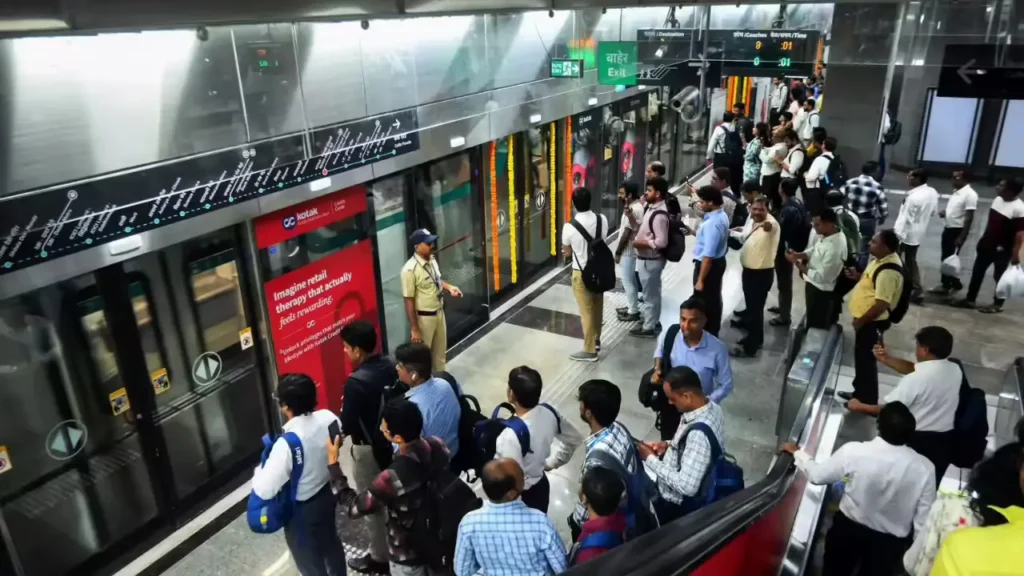
Modern cities are defined by movement. Every day, millions of people walk through metro stations, sidewalks, airports, and shopping malls, creating a continuous stream of pedestrian activity. At the same time, vehicles move through highways and streets in an almost constant flow, generating pressure, vibration, and motion across urban infrastructure. Even the air within cities is constantly shifting, as wind accelerates and changes direction between tall buildings, creating complex patterns of urban wind movement. Together, these forces generate enormous amounts of urban motion energy that exist throughout the built environment.
This constant activity means that there is an enormous amount of kinetic energy in cities being produced every second. Footsteps create downward force on the ground, vehicles exert pressure and vibration on roads, and wind flowing through dense building clusters creates
pockets of powerful turbulence. Despite the scale of this activity, most of this energy in cities simply dissipates into the environment without being captured or used. Yet with the right technologies, this everyday motion could become a valuable source of renewable urban energy, embedded directly within the infrastructure that people interact with every day.
Where Does All This Energy Go?
Despite the enormous amount of motion generated every day, most of the kinetic energy in cities simply goes to waste. When people walk across sidewalks and public spaces, the force from each step is absorbed by the ground and dissipates as heat or structural vibration.
Similarly, the movement of vehicles across highways produces pressure and vibration within road surfaces that quickly disperse without being captured. Even the powerful gusts of urban wind between buildings lose their energy as turbulence when they encounter surrounding structures. In each of these cases, valuable urban motion energy is produced but ultimately lost because there are few systems designed to harness it.
This represents a major form of energy loss in urban systems. Cities consume enormous amounts of electricity, yet the physical environments that generate constant motion rarely contribute to energy production. Much of this wasted kinetic energy could potentially be captured through modern urban energy harvesting technologies integrated into infrastructure such as floors or roads. However, the primary reason this energy remains unused is the historical lack of infrastructure designed to convert everyday movement into electricity. As innovation in kinetic energy harvesting continues to advance, cities are beginning to recognize that these overlooked motions may represent some of the most promising untapped energy sources within the urban environment.
Footsteps: Energy Beneath Our Feet
Every day, millions of people move through metro stations, airports, shopping malls, stadiums, and public walkways, creating an immense and continuous stream of pedestrian activity. Each step applies downward force onto the ground, generating small amounts of kinetic energy from footsteps. While a single step may seem insignificant, the cumulative effect of thousands, or even millions, of footsteps passing through high-traffic areas every day represents a surprisingly large and consistent source of motion-based energy. Traditionally, this energy has simply been absorbed by the ground and lost as heat or vibration, contributing to the vast amount of wasted kinetic energy present in urban environments.
Recent advances in energy harvesting floors are beginning to capture this overlooked resource. Technologies such as Holm Energy’s Smart Energy Tiles are designed to convert the pressure from pedestrian movement into usable green electricity using kinetic energy harvesting systems embedded within the floor structure. Installed in locations with heavy foot traffic, such as transport hubs, malls, and other public infrastructure, these Smart Energy Tiles transform everyday walking into a form of decentralized renewable energy generation. By
embedding energy harvesting directly into the built environment, cities can begin to turn ordinary public spaces into small but meaningful sources of urban renewable energy, demonstrating how infrastructure itself can contribute to a more sustainable future.
Vehicles and Highways: A Continuous Flow of Motion
Beyond pedestrian movement, urban transportation systems generate enormous amounts of vehicle kinetic energy every second. Cars, buses, and trucks move continuously across highways and city roads, creating pressure, vibration, and air displacement as they travel. This constant flow of traffic produces significant energy from traffic, whether through the physical force exerted on road surfaces or the airflow generated by moving vehicles. In busy cities and highway corridors where thousands of vehicles pass every hour, this movement represents a steady and predictable source of urban motion energy that largely goes unused.
In addition to road vibrations, traffic also influences the surrounding air environment. Vehicles moving at speed create airflow disturbances and accelerate wind patterns around highways and dense infrastructure. These effects can be harnessed through technologies designed for road energy harvesting and urban wind capture. For example, Holm Energy’s Hybrid Vertical Axis Wind Turbines are specifically designed to operate efficiently in turbulent wind environments often found along highways and between buildings. Unlike traditional wind turbines that require steady wind conditions, these systems can capture energy from irregular urban airflow and vehicle-generated wind currents. They also have a PV panel on top to allow dual-source generation enabling greater energy yield. By deploying such urban wind energy technologies along transportation corridors and dense infrastructure, cities can begin to convert everyday traffic movement into a valuable source of decentralized renewable energy.
Wind Turbulence in Dense Urban Environments
Wind behaves very differently in cities than it does in open landscapes. As air moves through dense clusters of buildings, it is forced through narrow corridors and around structures, accelerating and changing direction rapidly. This phenomenon creates powerful pockets of wind between buildings and complex patterns of turbulence throughout the urban environment.
While these irregular wind patterns are often considered a challenge for traditional wind energy systems, they represent a significant opportunity for urban wind energy generation. In many cities, these turbulence corridors exist constantly as air flows through streets, building gaps, and elevated infrastructure. Historically, most wind energy technologies have been designed for large open spaces with consistent wind speeds, which is why the potential of urban wind remains largely unexplored.
Turning Infrastructure into Energy Systems
As energy technologies continue to evolve, there is a growing shift toward transforming everyday urban structures into energy generating infrastructure. Instead of viewing
sidewalks, transportation hubs, buildings, and highways purely as functional spaces, cities are beginning to explore how these environments can also contribute to urban renewable energy production. Public walkways with heavy pedestrian traffic, transit stations with constant movement, and busy transportation corridors all represent locations where motion and environmental forces can be captured and converted into electricity. By embedding energy technologies directly into these spaces, the built environment itself can become an active participant in the energy ecosystem.
This concept lies at the heart of smart infrastructure energy, where infrastructure is designed not only to support urban life but also to generate power from everyday activity. This new generation of smart city energy technologies is gradually transforming infrastructure into active participants in energy generation. When deployed strategically across cities, these systems allow infrastructure to generate small but continuous amounts of urban renewable energy, helping transform ordinary urban spaces into distributed sources of decentralized power.
The Future of Motion-Powered Cities
As cities continue to expand and energy demand rises, the idea of motion powered cities is beginning to move from concept to reality. Urban environments already generate enormous amounts of movement, from pedestrian footsteps and vehicle traffic to turbulent wind between buildings. Yet, much of this urban motion energy still goes unused. By integrating urban energy harvesting technologies directly into infrastructure, cities can begin transforming these everyday forces into valuable sources of decentralized urban energy. Systems such as smart energy harvesting tiles in high-footfall areas and urban wind turbines designed for turbulent environments demonstrate how urban infrastructure can evolve into energy generating urban infrastructure. As part of broader future urban energy systems, these technologies allow cities not only to consume electricity but also to produce it locally. Over time, embedding energy generation within everyday infrastructure could help cities transition toward more resilient, sustainable, and self-sufficient energy ecosystems.
Thanks for reading :)